

Transform ordinary stories into extraordinary ones with our proven 7-step method. Join thousands of storytellers on their journey to mastery.

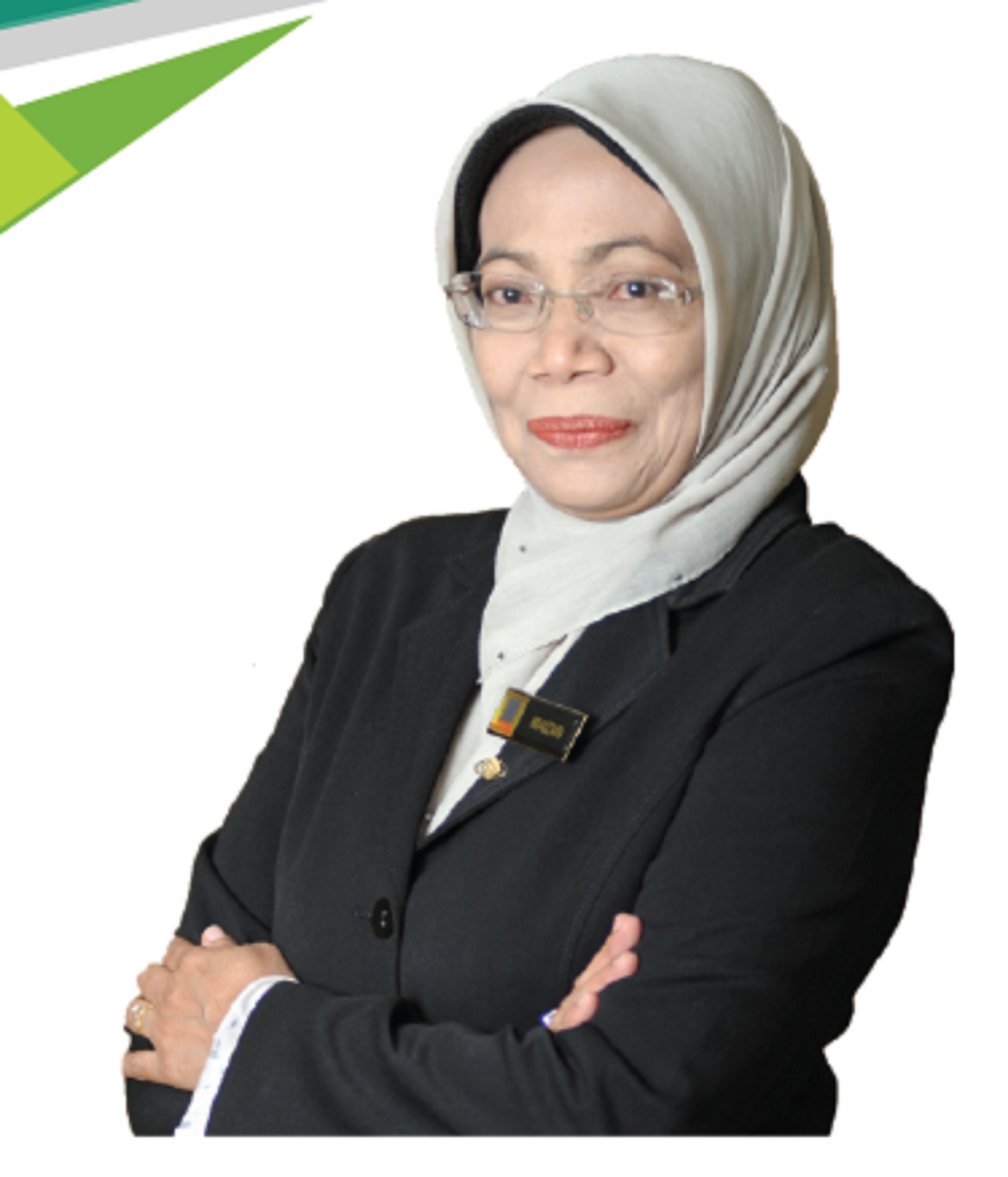 A few months ago, I received an email informing me about an award called the Book Award 2020 organised by the National Library of Malaysia. Within the text of the email was an invitation to submit a publication of my choice to be considered for the award. I thought it was a hoax and wrote back to ask if this was really true. Lo and behold, it was! So began the process of submitting The Age of Smiling Secrets for consideration by the experts. I was very grateful for the support from family, friends, the readers of this webiste and also subscribers to my newsletter. As it stands, my novel, The Age of Smiling Secrets, is now on the shortlist (2 categories) for this award. Unfortunately, like many other events this year, the ceremony to announce the winners of these awards has had to be postponed several times because of the pandemic. Instead of wallowing in this malaise of sorts, I decided to take the opportunity to get to know those behind this award. I wrote to the National Library with a request to interview its Director-General. I am mighty pleased that the Director-General consented to this request. Without further ado, I have much pleasure in introducing you to Maizan Ismail.
Aneeta: Let’s start with something about you. Where were you born? Where did you grow up? Where do you live now and what do you do for a living?
Maizan: I was born and grew up in Klang, Selangor then later furthered my studies at UiTM. I started my career as a Librarian in 1986 and was appointed as Director-General of the National Library of Malaysia on 17 June 2019
Aneeta: Before we talk about the Anugerah Buku 2020, I would like to ask about the National Library of Malaysia (NLM). Can you tell me about the history of this library?
 Photo by CEphoto, Uwe Aranas
Maizan: The NLM is a Federal Department under the Ministry of Tourism, Arts and Culture Malaysia (MOTAC) and was established under the National Library Act 1972 (Act 80). The functions and objectives of NLM as stipulated in Part II, Section 3 National Library Act 1972 (Act 80) are as below:
The NLM was housed in various locations in Kuala Lumpur until 1992 when it found a permanent home in an iconic building at Jalan Tun Razak, Kuala Lumpur.
Aneeta: In this digital age, do you think that a physical library is at all necessary? Let me explain by giving you an example. There was a time when we had to refer to actual books or dictionaries to do research. Today, the first thing everyone does is to whip out their smartphones and ask Google. So, my question is this: is the physical library still useful when Google has become the ‘go-to’ library? If your answer is yes, why?
Maizan: It is undeniable that seeking information in our society is “Google-based”. We have this kind of mindset nowadays of “asking Google” and “Google will give you the answer”. Yes, this is true most of the time. However, can we be sure that the search results are quality information/data? Google can give us millions of results from public web pages in seconds, but it cannot guarantee that the information provided is the correct or accurate. The results by Google are often based on the popularity of previous searches.
This is where the library plays a role in ensuring that the data provided is authentic. At the NLM, we ensure that we stay relevant to our users. Since 2011, we offer digital library services u-Pustaka (ubiquitous library), to cater to the needs of our users and also to attract new users especially the millennials to use the services offered from our portal at https://www.u-pustaka.gov.my. Via this portal, users can borrow books from 12 consortium libraries from all over the country and we will send the books to their doorstep.
Other than this, we also offer digital reading materials. Currently, our digital collections number 13.2 million and encompass electronic books, journals, magazines, newspapers, e-learning materials for students and many more. It is open and free to all Malaysian.
The truth is libraries will remain relevant now and beyond because libraries are almost like a curation system where you can find everything under one roof. It is true we will not be able to replace the speediness of the internet, but libraries will always able to provide in-depth information to our users from our vast resources. Libraries, therefore, are still relevant and the internet complements our services.
The physical library is also a place of wisdom for those who appreciate the value of knowledge. Libraries provide physical spaces and a conducive environment for its users. Information in physical libraries store information from hundreds or thousands of years ago. Referring to them allows us to learn about the past, like our rare collections and Malay manuscripts. It is the centre of the nation’s civilisation. Without libraries, what do we have? We have no past, no present and no future. Digital library does not have to compete with physical libraries. They complement each other to provide effective information services.
 The Age of Smiling Secrets is shortlisted (2 categories) for the Book Award 2020 organised by the National Library of Malaysia.
Aneeta: Let’s talk about the Anugerah Buku 2020. What is it about? Why is the library organising it and what do you hope to achieve with this award?
Maizan: The rationale in organising the NLM 2020 Book Award 2020 is to appreciate industry players comprising of writers, publishers, readers and associations for their contribution towards book industry development in Malaysia. NLM is an agency that supports the book industry in the country in order to uphold the knowledge and culture of reading in Malaysia. NLM Book Award 2020 is the best platform to place quality books in the list of local publications. The NLM Book Award 2020 will be given to publishers who have submitted materials under the Deposit of Library Materials Act 1986 (Act 331). Awards will be given to several categories namely Children Award, Adult Award and Special Readers' Choice Award that includes Malay Language, English, Chinese and Tamil. The objectives of organising this programme are:
NLM Book Award 2020 is expected to have a big impact on the book industry in Malaysia. This award will be a catalyst to support the National Creative Industry initiative in line with the recognition of Kuala Lumpur as the World Book Capital 2020. This award also will be the platform to appreciate and recognise writers and publishers in Malaysia as well as to elevate Malaysia's best works to the international level.
Aneeta: As you know, this website caters to storytellers. What advice would you give to those who would like to venture into storytelling?
Maizan: NLM plays a role to promote and inculcate reading awareness and reading culture among Malaysians through various reading promotion programmes such as workshops, competitions and literacy programmes.
For instance, earlier this year, NLM has participated in the storytelling programme called ‘Read Me A Book: ASEAN-ROK is Reading’ and this programme was organised by the National Library for Children’s and Young Adults, Republic of Korea. Its aim was to highlight the importance of reading aloud and storytelling activities with children to develop their creativity and language abilities. Malaysia, through NLM, won the competition and defeated 9 other ASEAN countries.
Previously in 2018, NLM held a Storytelling Techniques Workshop to enhance the storytelling skills and aims to produce more creative and innovative storytellers among the librarian and library staff.
NLM has also participated in a training programme organised by the National Library for Children’s and Young Adults, the Republic of Korea which trained librarians and library staff to become a good and effective storyteller. Since then, NLM has produced many good storytellers among librarians and they conduct their own storytelling activities in libraries or schools.
Apart from these, most of our programmes include storytelling activities to cultivate an interest in reading among children because it is undeniable that storytelling activities are a fun activity and can attract children to enjoy reading. Among the programmes are the Read & Relax @PNM, Children’s Literature Festival, Let’s Read Together and others.
Going back to your question about storytelling, my advice is that before venturing into storytelling you need to have a passion for and love reading. You need to read and explore the content of the books especially children’s books to get to know the authors of books and the titles of popular children’s books. In addition, I would also like to suggest that storytellers enhance their knowledge and skills in storytelling by attending various storytelling courses organised by various parties.
In the age of ICT (Information Communication Technology), there are many new methods that storytellers can use to make their storytelling sessions more interesting and creative. As an example, they can use e-book or AR (Alternative Reality) books for the storytelling sessions which make the sessions more lively and capture the attention of the audience.
Aneeta: Puan Maizan, this is all I have to ask. Is there anything you’d like to add?
Maizan: Through the National Reading Decade Movement, the Government has targeted that Malaysia becomes a reading nation by 2030 and Kuala Lumpur has been officially declared as the 20th World Book Capital 2020. Therefore, reading activities need to be enhanced and intensified in order to make reading part of our culture and lifestyle. In this regard, I urge all Malaysians, no matter where you are, not to distance themselves from books and other reading materials because reading will widen your knowledge and make you a wiser person with a great mind. By reading you can explore the world without boundaries.
Aneeta: Thank you, Puan Maizan.
This piece may NOT be freely reprinted. Please contact editor @ howtotellagreatstory.com for reprint rights. Click here to return to the index of interviews on 'Blow Your Own Trumpet!'
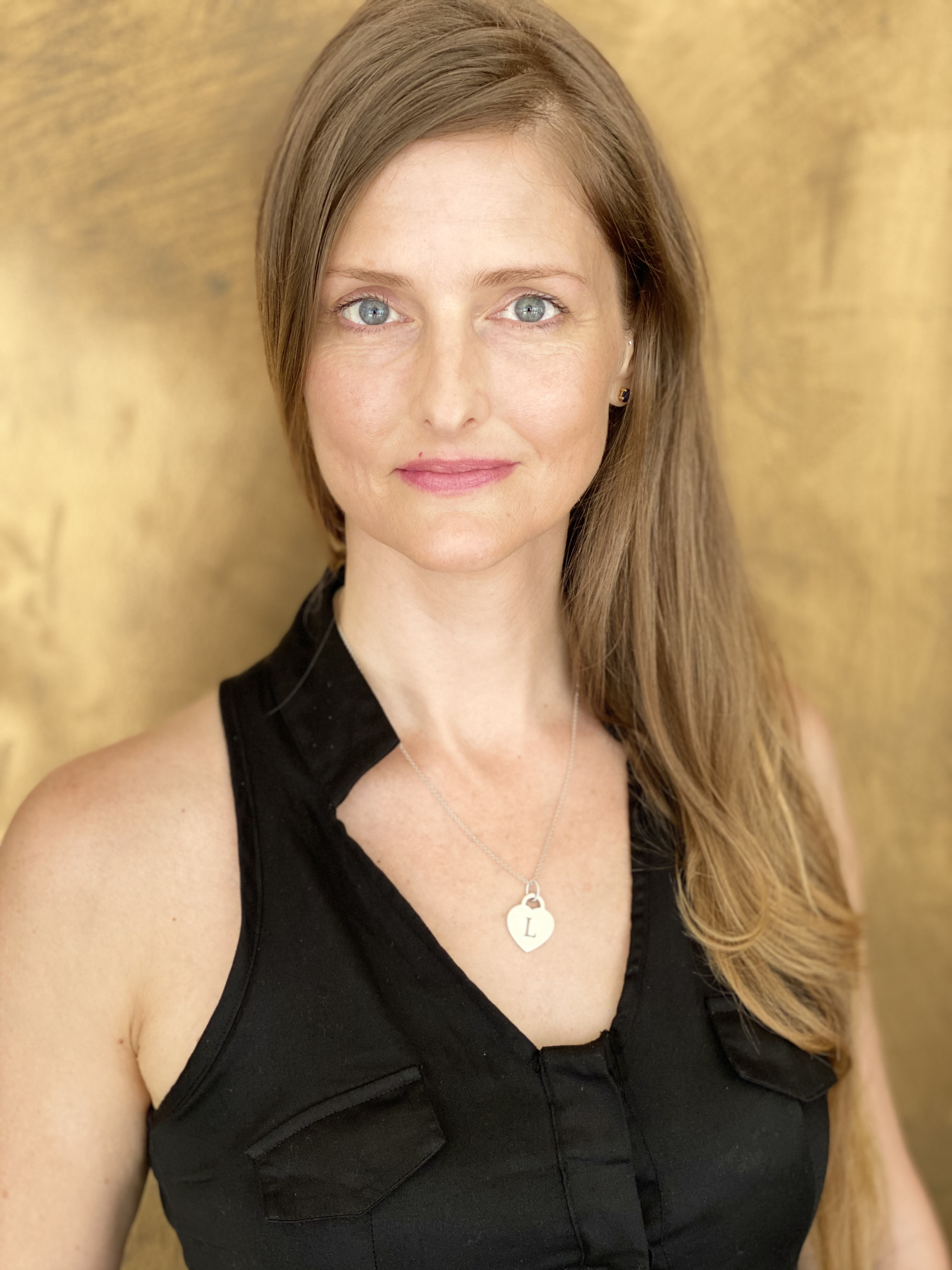 A few weeks ago, I received a message from a friend about the publication of a new book called The Ordinary Chaos of Being Human. I found this title intriguing and went about looking for more information about both the book and its author. Duly fascinated, I made a request via my friend about whether or not the author was open to being interviewed. She was. So, without further ado, I allow me to share, in her own words, the story of The Ordinary Chaos of Being Human and its author, Marguerite Richards.
Aneeta: Marguerite, thank you for agreeing to this interview.
Marguerite: It’s a real pleasure. Thank you for having me.
Aneeta: Let’s start with something about you. Where were you born? Where did you grow up? Where do you live now and what do you do for a living?
Marguerite: I was born in Downtown Los Angeles, and spent most of my childhood in LA apart from a 2-year adventure in the Netherlands with my father who bought a night club there. As an adult, I’ve lived for extended periods in New York, Chile, and France. I’m a writer and editor, living in Sri Lanka with my family.
Aneeta: Before we go talk about this newly published book, can you please share something about your writing history.
Marguerite: I’ve spent most of my life avoiding my secret longing to write books. I’ve done everything else but. I’ve taught English, written articles about food, ran the editorial for a travel magazine, and went so far as to get a masters in translation—which is basically writing other people’s words in another language (instead of writing my own). I’ve finally published my first book. It’s still not my own writing, but it’s brought me to the genre and medium that feels like home…It’s taken a long time to come to this realization, but I’m grateful for the circuitous path I’ve taken. I’m so glad I built this collection before focusing on own writing.
Aneeta: OK, let’s now focus on the new book, The Ordinary Chaos of Being Human. Please tell me what it’s about 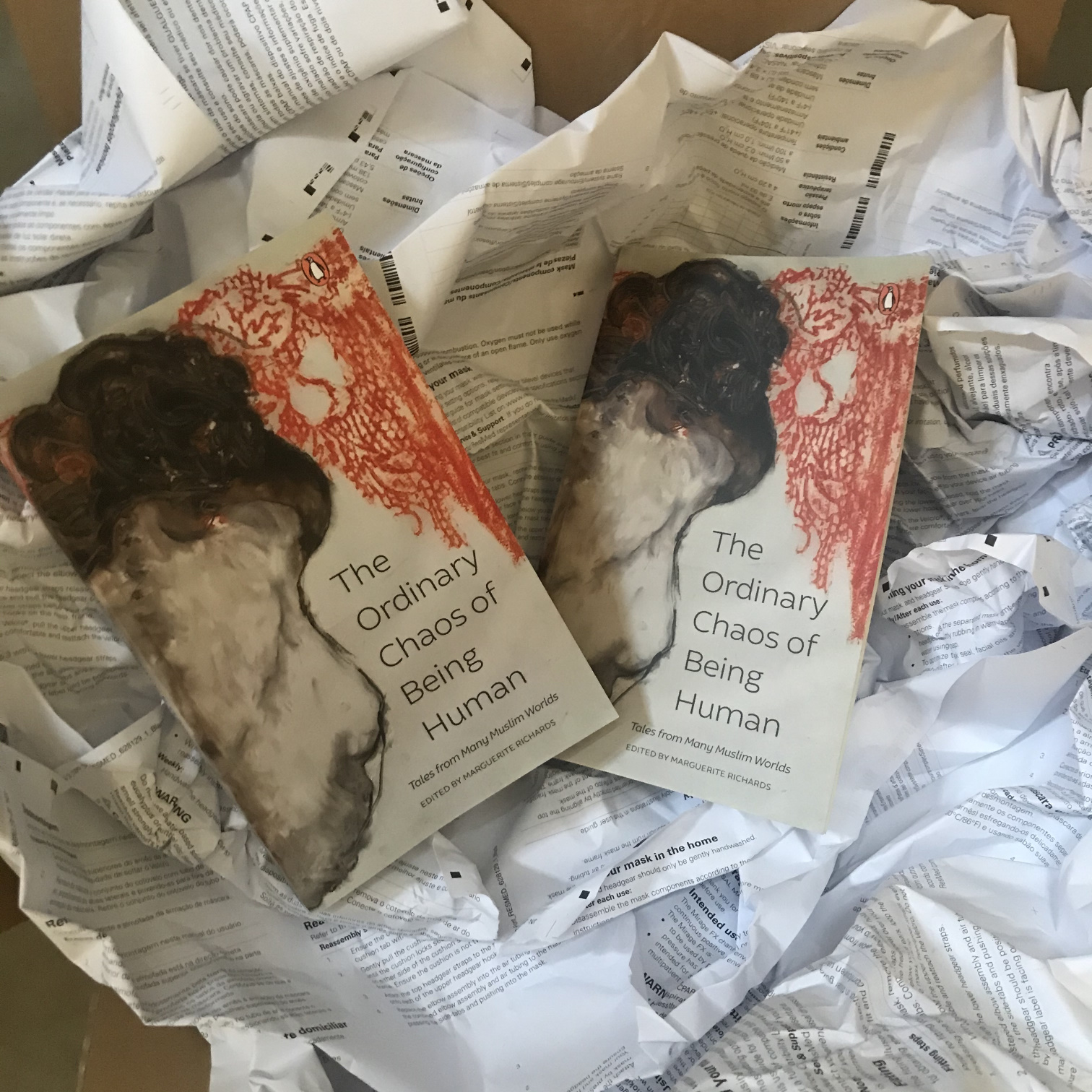
Marguerite: The Ordinary Chaos of Being Human is the product of four years working with authors living all over the world, particularly writers living in “Muslim Worlds” with an emphasis on the “s”. Because there is not one Muslim world. There are as many different kinds of Muslim perspectives as there are people in the world. This book is a reflection of that diversity.
Aneeta: I’m curious. Why this topic of Islam, in particular?
Marguerite: Well, the book is not actually about Islam. It’s about being human. The intention behind this collection was to give voice to people from cultures that readers of mainstream works in English may know little about. It is my piece in the fight against growing xenophobia all over the world.
Aneeta: I understand that this is a collection of stories. So, hard as I can imagine it to be, let me ask you, which story is your favourite one
Marguerite: They are all my babies. I chose every story because it struck an emotional chord. Contexts may have been unfamiliar to me, but there was always something that resonated as universally human. While I did receive some fantastic stories from writers who required little to no guidance, I also worked with writers who were talented in their native languages but less confident with their English writing. We translated some stories, but some writers also wanted to try their hand at the English. It was incredibly rewarding for me to facilitate their expression. To help them find that one word that says what they mean it to say. It gives me goose bumps every time.
Impossible! It's impossible to choose juse one story. It's like comparing apples to oranges. But I asked this question of my most intimate editor colleague, Nancy Laforest, who worked extensively on the book with me. She told me, "It's hard to say. There's 'Caged Angel,' which is an exotic, fast-paced story, through which I explored the Yemeni countryside and went to the circus with a couple of feisty kids. And there's, 'Swimming with Orhan Pamuk' which is the complete opposite: it's a lyrical, intellectual account that takes us right into the home of a writer I've always admired. I also love 'The Art of Drawing a Shepherdess' for its dream-like setting and introspection. But if I had to pick only one, I'd choose 'Khaleh Mina.' This beautiful story honours the writer's fun, loving aunt, the kind we all wish we had. I learned a lot about Iran's revolution and history through this touching tale of Mina's love."
Aneeta: What has the response to this book been, thus far?
Marguerite: Everyone who gets their hands on it loves it. The only critical comment I received on the book so far was one that still celebrated the book’s intention. While she didn’t care for a couple of the stories, she felt that was the very point. She said it was like meeting a bunch of new people: Some might become your friends and some might not. I thought she hit the nail on the head with that comment. All of the stories are honest, unapologetic, and soul-bearing, even if they aren’t always beautiful. Always the intention was to allow people to be people, not pigeonholed into what people think it means to ‘be Muslim’.
Aneeta: Do you have any plans to add to the number of stories? Or a second edition?
Marguerite: There will certainly be future editions, particularly to reach different markets for this same book. I can also build the same title collection again with writers of a different background. Whether it’s Rohingyas in Myanmar, Tamils in Sri Lanka, Latino, Black and Indigenous Americans in the US, the Romas in Europe… the targets of xenophobia are endless and are ever changing through history and geography. At best, people of minority groups are misunderstood, and at worst—they are murdered. All of it is dangerous. I believe that reading stories by those who may seem “other” is the best way to appreciate our differences and learn to co-exist.
Aneeta: As you know, this website caters to storytellers. What advice would you give to those who would like to venture into storytelling?
Marguerite: Be human. Find your voice. Which is writer speak for: be yourself. If you pretend to be anyone else at all, the reader will notice, and won’t care about anything you’ve got to say.
Aneeta: Marguerite, this is all I have to ask. Is there anything you’d like to add?
Marguerite: Thanks for providing me the chance to tell the story about this book. I hope you’ll check out the endeavours of the 34 wonderful writers in my book, who you can find on Facebook @OrdinaryChaosBook. The Ordinary Chaos of Being Human is available for purchase in Malaysia at Kinokuniya, MPH, and Times bookstores.
This piece may NOT be freely reprinted. Please contact editor @ howtotellagreatstory.com for reprint rights. Click here to return to the index of interviews on 'Blow Your Own Trumpet!'
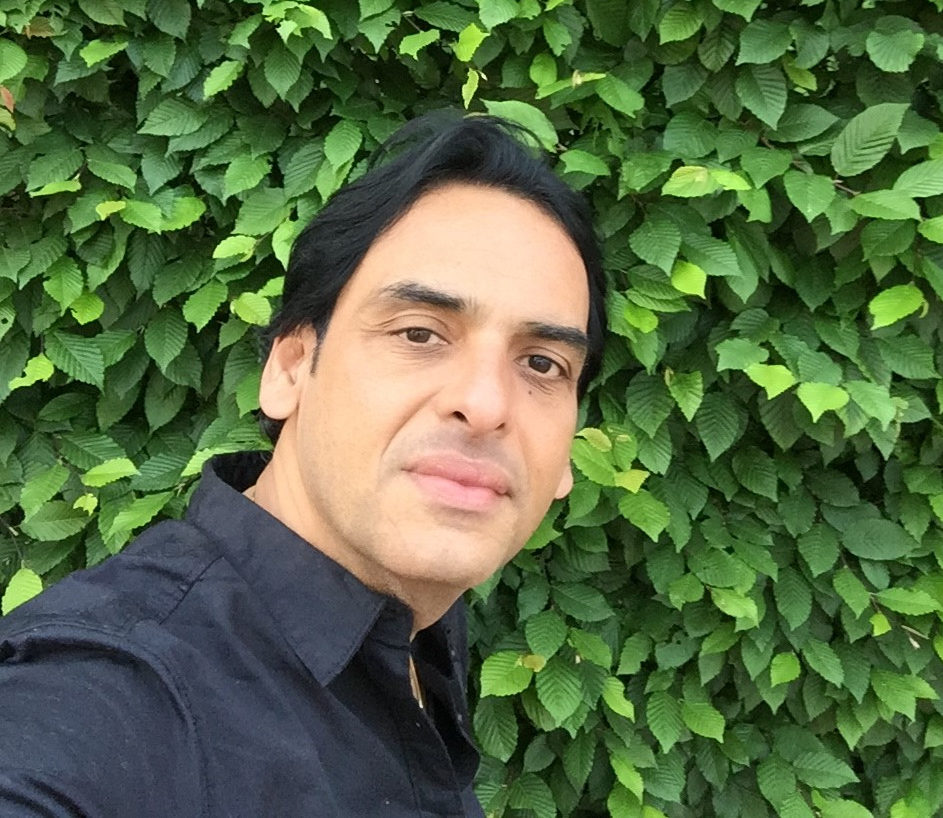 When I was still contributing feature articles to the New Straits Times, one of the most curious assignments I had was to work on a story about a quiz master. I never forgot this story for a few reasons. One, a quiz master? What on earth was that? Two, the gentleman in question had a unique name (although I suspect that like most Indian names, it's probably not unique in his hometown) - Phanindra. Three, Phanindra turned out to be one of the most enthusiastic people I've ever interviewed - you could practically feel the energy bouncing off him. Four - his general knowledge was vast. Since that first meeting, we've kept in touch. In these past few months, when world news was depressing because of the devastation of COVID-19, Phanindra provided a daily dose of light relief. He'd send out a question (I'd like to say trivia, but none of the questions are trivial) via Whatsapp and I'd attempt to answer it. I will admit (or rather confess) that my competitive nature soon emerged and I became envious of those who regularly answered correctly. Then, I became aware that instead of giving a fleeting glance at any news about COVID-19, I started reading the stories in earnest with the thought 'in case Phanindra asks about it'. When he suggested that I interview him again, I jumped at the chance. So, without further ado, I allow me to share this story about Phanindra Ivatury.
Aneeta: Phanindra, thank you for agreeing to this interview.
Phanindra: Thank You Aneeta. It gives me great pleasure to be doing another interview with you after so long. I still fondly remember your splendid article on my Quizzing for the Malaysian daily New Strait Times way back in August 2013.
Aneeta: Let’s start with something about you. Where were you born? Where did you grow up? Where do you live now and what do you do for a living?
Phanindra: Well, to cut a long story short, I was born in Hyderabad, India and I grew up mostly in different cities of India and also briefly in Abadan, Iran during my schooling years, where my father was posted. I currently live in a city called Utrecht in the Netherlands where my family is settled. I have been working with the Government of India for the past 30 years till 2019. I had recently opted for a VR from the Indian Government and currently, I am a freelance Auditor, Quiz Master, Motivational Speaker and Content Writer.
Aneeta: Before we speak about your quizzes, let me ask you about your travels. I assume you’ve travelled extensively. Please share 3 places (countries or cities) you’ll remember the most and why? What’s the story behind these places that make them special to you?
Phanindra: God has been kind and has given me the opportunity to travel extensively around the world. It is hard to pick just 3 places from so many. But if I have to pick 3 countries which I remember the most, apart from my motherland, they would be

Aneeta: Let’s turn to your passion for being a quiz master. How did this passion start and develop?
Phanindra: This question is probably, the most answered question of my life. Ever since childhood, I had this tremendous enthusiasm and zeal towards Quiz Shows. I used to regularly watch eminent Quiz Hosts like Siddhartha Basu and Derek O’ Brien perform on TV shows. But I became a Quiz Master myself, by accident and destiny. My spouse, a long time ago in 2002 was employed with a commercial bank in India. The Bank wanted someone to host a Quiz for their Annual Day. I volunteered and the journey started from there. Over the years, I wrote and hosted more than 270+ Quiz shows on various platforms across the globe.
Aneeta: What is the process of creating these quizzes? Indeed, is there a process?
Phanindra: I usually do “theme-based quizzing” based on the requirements of the organisers. We select a theme and I work on it for about two months to produce a Question set of 80 spread into 8 rounds of questioning including a Qualifying Round. All the questions I ask in these quizzes, are my very own creations. I never borrow questions from the internet, or books or from other Quiz Masters.
The process of framing an interesting question is most of the times “complex”. I believe in absolute quality and there are multiple parameters to be taken into account while framing a good question. The question should be first and foremost interesting, it should be relevant, have quality, there should not be any ambiguity concerning the answer, the answer should be established through a trustworthy source and most importantly it should appeal to the answerer and the audience in such a way that even if they do not know the answer, after knowing, they should be glad that they NOW know the answer.
Aneeta: In all your years of being a quiz master, which three events have been the most interesting of all and why? 
Phanindra: It’s again hard to pick three events from 270+ I have hosted so far. They have all been precious for different reasons. But to list out three which gave me immense satisfaction –
Aneeta: I know that you’re running one based on COVID-19. How did this begin and why?
Phanindra: The “COVID times online Quiz series” of mine on various social platforms is very unique or one of a kind. It’s virtual and a rare ‘non-live’ ongoing quiz show of mine. The most important purpose behind this quiz theme is to spread valuable/related news and information on COVID times among people, in Question-Answer form, sourcing material from authentic and trustworthy agencies. I post a question on my Whatsapp status every day for participants to answer. The answer is revealed the next day. The questions posed in this series are tricky in comparison with my live quizzes as the participants have the internet option to search for their answers. It started in March, 2020 and so far I had asked around 85 questions on this topic. Period.
The COVID times online series which had humble beginnings has now turned into a massive quiz campaign with a huge following. People are not just participating but are also sending me views, stories, media articles and inputs on COVID times which can be converted into potentially interesting Qs&As. This series has also been recently highlighted by the Malaysian National News Agency-Bernama.
Readers who are interested in knowing me can follow my Quizzing page "Quizdom" on Facebook which houses a collection of media articles, pictures and write ups on my quizzes. I can also be reached through my mail id -
Enthusiasts who would like to join the COVID-19 Quiz series can join through my India Whatsapp Number : +919717359140. They can also reach me by my Netherlands number : +310620666253.
Aneeta: What is the one benefit you’d treasure from running these quizzes?
Phanindra: This is my connection to the world, to people, to a mighty ocean called knowledge, to creative satisfaction. Even after I am long gone, a certain portion of the world will always remember me as a Quiz Master. A participant will never, ever forget the moment he gets applauded in a Quiz show, for a question he answers RIGHT, leave alone winning the competition. Even now, participants from my quiz shows in the distant past, come up to me and say “I answered this particular question right, in a quiz show you hosted, a decade back”. These kinds of moments give me the ultimate satisfaction and relieve me of all the stress and hard work I go through sometimes in framing a question.
Aneeta: Phanindra, this is all I have to ask. Is there anything you’d like to add?
Phanindra: With utmost sincerity, I would like to thank all of my quizzing enthusiasts, participants and followers who have provided me such admirable support in this long journey so far.
I would like to thank my wife Ratna Ivatury and daughter Poojya Ivatury who have been such a vital part of my quizzing journey. A passion like quizzing, which entails enormous time, sometimes even eating away into your valuable family time, cannot be pursued without the support and patience of a loving family.
Last but not the least, I would like to sincerely thank you for showcasing me on your web interview series and for being a dear friend. Thank You.
This piece may NOT be freely reprinted. Please contact editor @ howtotellagreatstory.com for reprint rights. Click here to return to the index of interviews on 'Blow Your Own Trumpet!'
"In my books, I try to bring my settings to life by giving minute descriptions of the buildings, the way of life of these ancient peoples, their food, their farming practices as described by the archaeologists and scholars who studied them. This is how it works sometimes in science fiction and most of the time in historical fiction. Writers create (or recreate) the universe in which their story is to unfold," - VJ Singam, author of 'Disorientation'.
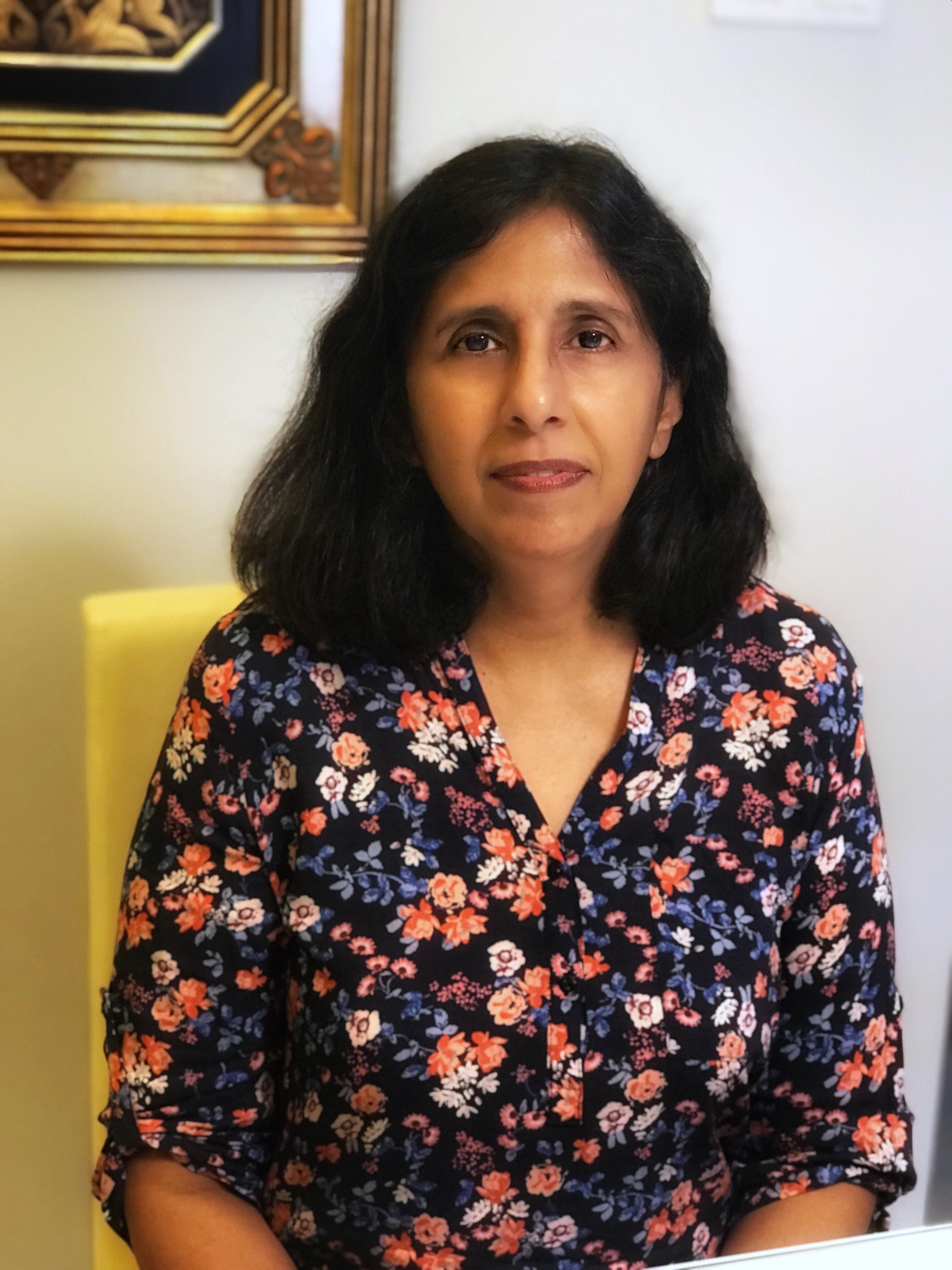
I came across Uma's first published work in 1998. And this was in Alor Setar. At the time, I had completed university and was about to join a law firm. Still, I was more than happy to meet someone who had followed her dream and become a published author. More than the lovely story Uma told in that first book, I remember being fascinated by this idea of being a published author. What was it like? How do you tell a story? Is it possible, even, for someone from a small town to succeed as a writer? So many questions...
Except for a brief meeting when my first novel The Banana Leaf Men was published, I didn't know that more than 20 years would pass before Uma and I would meet again. Last year, at a meeting of the rather robust Paperback Bookclub in Kuala Lumpur, I was delighted to see Uma once again. Even more wonderful was to find out that she had a new book being published, under her penname, V J Singam. Here's Uma's story.
Aneeta: Uma, thank you for agreeing to this interview.
Uma: Thanks, Aneeta. It’s a pleasure to be working with you.
Aneeta: Let’s start with something about you. Where were you born? Where did you grow up? Where do you live now and what do you do for a living?
Uma: I was born in Kuala Lumpur and have lived here for most of my life, except for a ten-year stint in Alor Setar Kedah from the eighties till the nineties. My children were born there. I presently live in the Petaling Jaya area and I’m a writer, as well as a licensed mental health counsellor.
Aneeta: Before we talk about your newly published book, can you please share something about your writing history? I am particularly interested in the research that you carried out before you started to write.
Uma: Well, what got me started was my interest in ancient civilisations, especially the Harappan civilisation. In school, I was an avid reader of anything that dealt with Greek, Egyptian and Mesopotamian mythologies. There was not that much information about Harappa at the time, because it was a relatively unknown subject. When I first got the idea for my book, I began to do a lot of research, most of it in libraries. Incidentally, at the time the internet was not well-developed and therefore not everything was available at the touch of a key. Then in 1999 I even travelled to Pakistan to visit the archaeological sites of Harappa and Mohenjo Daro to get more material for my research. It turned out to be one of the most interesting trips I’ve ever had.


Aneeta: Why was this research necessary? Couldn’t you have written your book without going so far away? Meaning, how did going to these places help you when telling your story?
Uma: In fiction writing, the imagination works by visualising our settings and characters in our mind’s eye as our story unfolds. It’s not like writing non-fiction, which involves factual descriptions and explanations. In my books, I try to bring my settings to life by giving minute descriptions of the buildings, the way of life of these ancient peoples, their food, their farming practices as described by the archaeologists and scholars who studied them. This is how it works sometimes in science fiction and most of the time in historical fiction. Writers create (or recreate) the universe in which their story is to unfold. For me, this meant looking at the pots, pans, implements, toys and buildings from the Harappan civilisation that the archaeologists dug up to get an idea of what things were like, as well as reading the work of scholars who studied the Vedic culture from ancient poems, psalms and other writings. The universe which served as the setting for my story had to be as authentic as possible, therefore it meant careful and extended research. I travelled to Pakistan for the same reason: to make sure I had the geography, the culture and the ambience for my setting just right.
Aneeta: Let’s talk about this newly published novel, Disorientation (The Seer's Return - Book 1)
Uma: It’s about a psychiatrist who gets a young patient on the autism spectrum with telepathic powers, and whose entrance into his life sets him on a time-travel journey through dreams. In these dreams, he goes back to his past life in the city of Harappa where he once lived as a mystic and a physician, and the patient his disciple. On the surface, it’s a novel about reincarnation and karma, but on a deeper level, it’s about modern psychology and the psyche. Or the other way around, depending on whether you are a metaphysical type or a psychological type. But enough said, you will have to read the book and see.
Aneeta: Naturally, all of us know you as Uma. How is the author of this book VJ Singam?
Uma: Let me just say that the initials VJ are based on my middle name and it’s a convenient way to keep my academic career separate from my writing.
Aneeta: Why did you choose to make the main character a psychiatrist?
Uma: The novel called for it. There are some questions in the novel about mental illness, psychological healing and even ‘spirituality’ which are explored from the perspective of cognitive science. Thus, it suited my story for the main protagonist to be a hard-nosed psychiatrist. It was the only way I could have Dr. Visvanathan doubt his own sanity because of his unusual experiences; he had to doubt what was happening to him while yet retaining his hold on reality. His character had to firmly hang on to his education and beliefs in order for the story to work.
Aneeta: As you know, this website is for storytellers. What advice would you give to those who would like to venture into storytelling?
Uma: I can’t give any more important advice to other writers, except to hold yourselves to a higher standard than anyone else. If you are writing a novel that needs research, then diligently do the research. If your novel is more about offering an aesthetic experience to readers, then make sure your writing style and grammar are sufficiently polished. A reader’s reading experience depends on so many factors, and it is our job to make sure we understand what those factors are and make sure our book offers it to the reader.
Aneeta: Uma, this is all I have to ask. Is there anything you’d like to add?
Uma: I think I’ve said it all. To everyone out there, do take the time to read the novel. I promise you a mind-boggling journey you will not forget. Until the next instalment in Dr. Visva’s story comes out. Goodbye, all!
This piece may NOT be freely reprinted. Please contact editor @ howtotellagreatstory.com for reprint rights. Click here to return to the index of interviews on 'Blow Your Own Trumpet!'
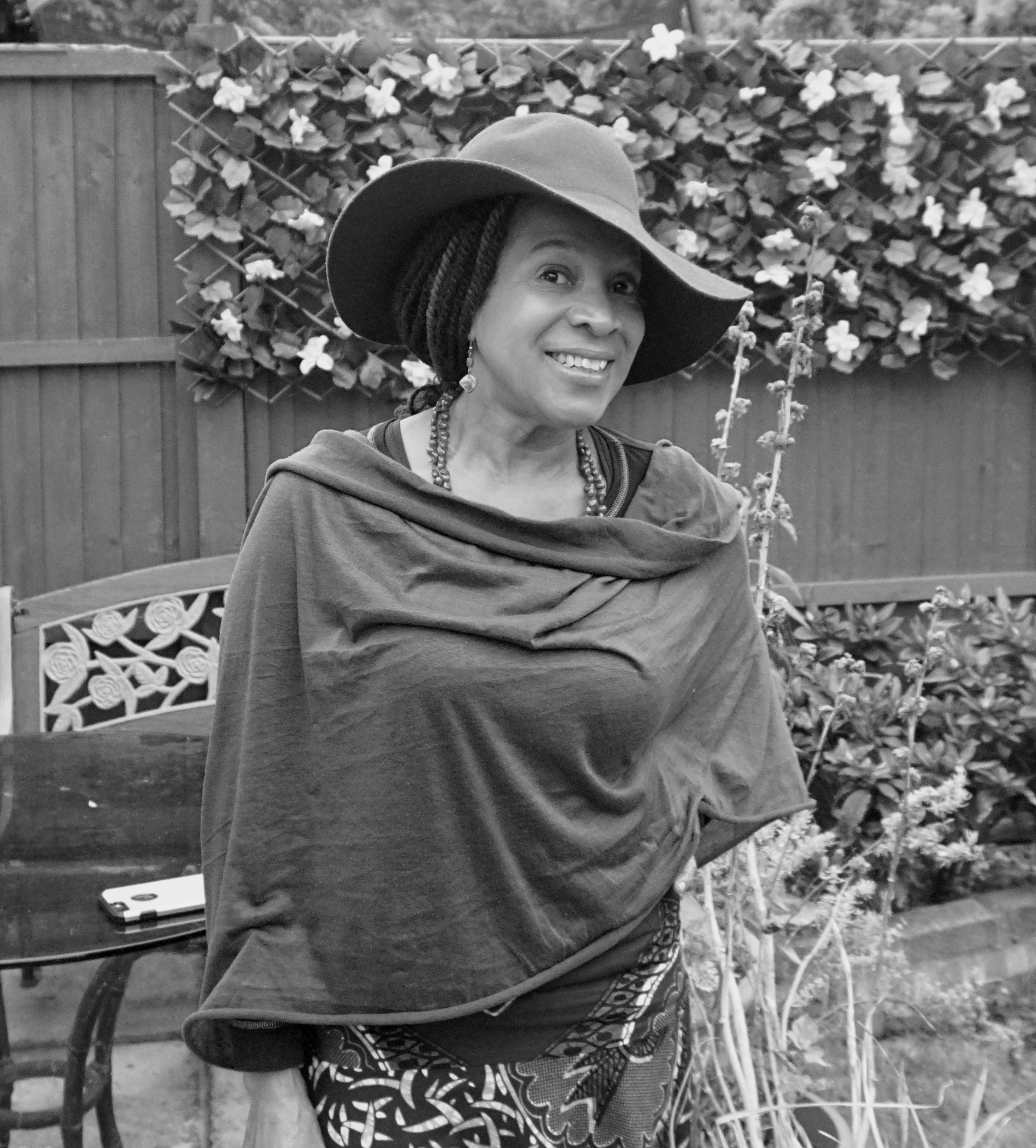 Mbeke and I first met a year and a half ago during a celebration hosted by 7C Life RealiZation Centre. A few months later, during the full moon, we travelled together to a resort in Sepang to take part in a session called 'Gratitude of Life' where we immersed ourselves in seawater. The purpose of this session was to express our gratitude to Mother Ganga and set our intentions for a successful and happy life. It is said that during the full moon's heightened gravitational pull, the power of our intentions increases which allows them to be manifested quickly. During the journey back from Sepang, we discovered that we lived in the same area and from then on our friendship developed. She asked me to submit a story to an anthology she's working on (please see below for details) and I was deeply honoured. She shares her story with us in this interview.
Aneeta: Please share with me some of your history. Where were you born and where did you grow up? What do you do for a living? And where are you based now?
Mbeke: I was born in South London in Clapham North where I spent my early childhood living in a large house on Prideaux Road. My mother and father migrated to the UK in response to the call for help to rebuild the country after the Second World War was over. Many people in the UK had refused to do what they saw as 'menial jobs' after having held positions like pilots during the world wars.
In response to the growing industrial changes that were taking place and the need for workers, representatives from the UK went to the colonies and asked for help to 'make Britain great again'. My parents and many others responded to the call to rebuild the 'motherland' and left everything and everyone they had known, moving 5000 miles from warm tropical spaces to cold, hostile ones in The UK. Many of them had intended to stay for 3-5 years to make some money and return 'home'.
Once they began to have children, working, paying bills and forming their new communities, returning home became less straightforward. With children, and grandchildren in some cases, the UK became their new ‘home’. With the new financial demands, there was often little left to save and many people kept up an illusion of grandeur by sending back photographs taken at famous studios and monthly barrels filled with goods for the family members who they had left. I was one of the children born in the UK and so became a first-generation Caribbean (UK) child.
I grew up with feet in both worlds. Living a very Caribbean life at home eating plantain, yam, green banana, and Caribbean soup and with a strong sense of personal conduct and responsibility. I often heard 'You can't walk on the street dressed like that' and every weekend, I knew that I had set chores that had to be completed. Each evening after school, I had homework to complete before I could go out to play. We had to 'earn' our playtime! On the other hand, I was in school with many white children who seemed to speak to their parents and some of the teachers, in a way that I would not even dream of! They ate food that seemed strange to us and everything seemed to go with chips!!! Their food was unseasoned and they had something called 'tea' after school!
Aneeta: What do you do for a living ... and for life?
Mbeke: I am a writer, performer, and Educational consultant. In 2019, I recorded two poems to music created by Xolo spkq who is a long-standing friend.
This was such an awesome experience and going forward, I plan to do more of the same! Between 2017-2019, I had a number of chapters, reviews, essays and poems published. I continue to write and to share my experiences knowing that someone, somewhere will be touched, motivated, moved or driven to change or to reflect. I am honored to be able to do this. I am currently working on an anthology of writing by women who have lived and worked abroad which will be published in 2020.
As an education consultant, I share my experiences with those who are developing their teachers, leaders, and students. Managing this world comes with no guarantees except for that of uncertainty! To manage uncertainty, many of us need new skills. I am a professional coach and trainer and know that these two areas support the development process in a totally wholistic manner. Contact me if you’d like to discuss these services. My contact details are:
Insta: m-diaspora
Twitter : Waseme1
Email:
I have lived in the UK, Jamaica, Cameroun, Ghana, and Malaysia. I am currently in the UK where the universe has seen fit to position me for now
{gallery}wp-content/uploads/2020/01/mbeke/{/gallery}
Aneeta: How interesting. Would you care to share more, please? Especially stories from your travels. Mbeke: Let's start with this...
Aneeta: What is your publishing history? Mbeke: My first poem was published when I was 11 years old. I came second place in the Black Penmanship Award with a poem called ‘What being black means to me’. My collection of poems Exploring all of me was first published in 1987 and republished in 2019. I am also the author of Make the Changes, Feel the joy and How to Work and Live abroad successfully (e-book). I have chapters in This is Us: Black, British, and Female(2019), Trusted Black Girl, Challenging Perceptions and Maximizing the Potential of Black Women in the UK workplace, edited by Roianne Nedd (2018).
My short stories and poems are in Fifth Estate Dovetails, Pure Slush, Home, The Writers Café. Flexiblepub, and my essays and academic articles have been published in Pambazuka and 72M. I am currently working on an anthology of writing by women who have lived and worked abroad.
My body of work includes a series of articles and interviews on health and business, which first appeared in the UK publications, African Business and Culture, 72M and The Alarm Magazine. I currently write for Diversity Business Magazine.
Aneeta: As you know, this website caters to storytellers. What advice, therefore, would you have for people who would like to start on this journey of storytelling?
Mbeke: Share your stories! Believe in the value of your life, your lived experiences! Believe in the transformation which your story energy can have on those who read it. Send your stories to strangers who run journals, competitions and who ask kindly for 'contributions'. As you birth your magic, let others look at it, critique it, love it or discard it. All are ok. Love it whilst it is with you and gently let it go. Keep writing and enjoying the melody, the landscape, the warmth of the task. Here's a poem to share with you and your readers.
Magical I I am magical I dance! Watch me move Feel the trance. Walking magic I unfold Skin of beauty Spirit of gold Words of healing Light for your soul Energy rising Pure light is the goal Know your magic Light your way Step into your glory Breathe..then slay!
Aneeta: This is all I have to ask. Is there anything else you’d like to add?
Mbeke:Thank you for this opportunity to share something so special to me.
This piece may NOT be freely reprinted. Please contact editor @ howtotellagreatstory.com for reprint rights. Click here to return to the index of interviews on 'Blow Your Own Trumpet!'
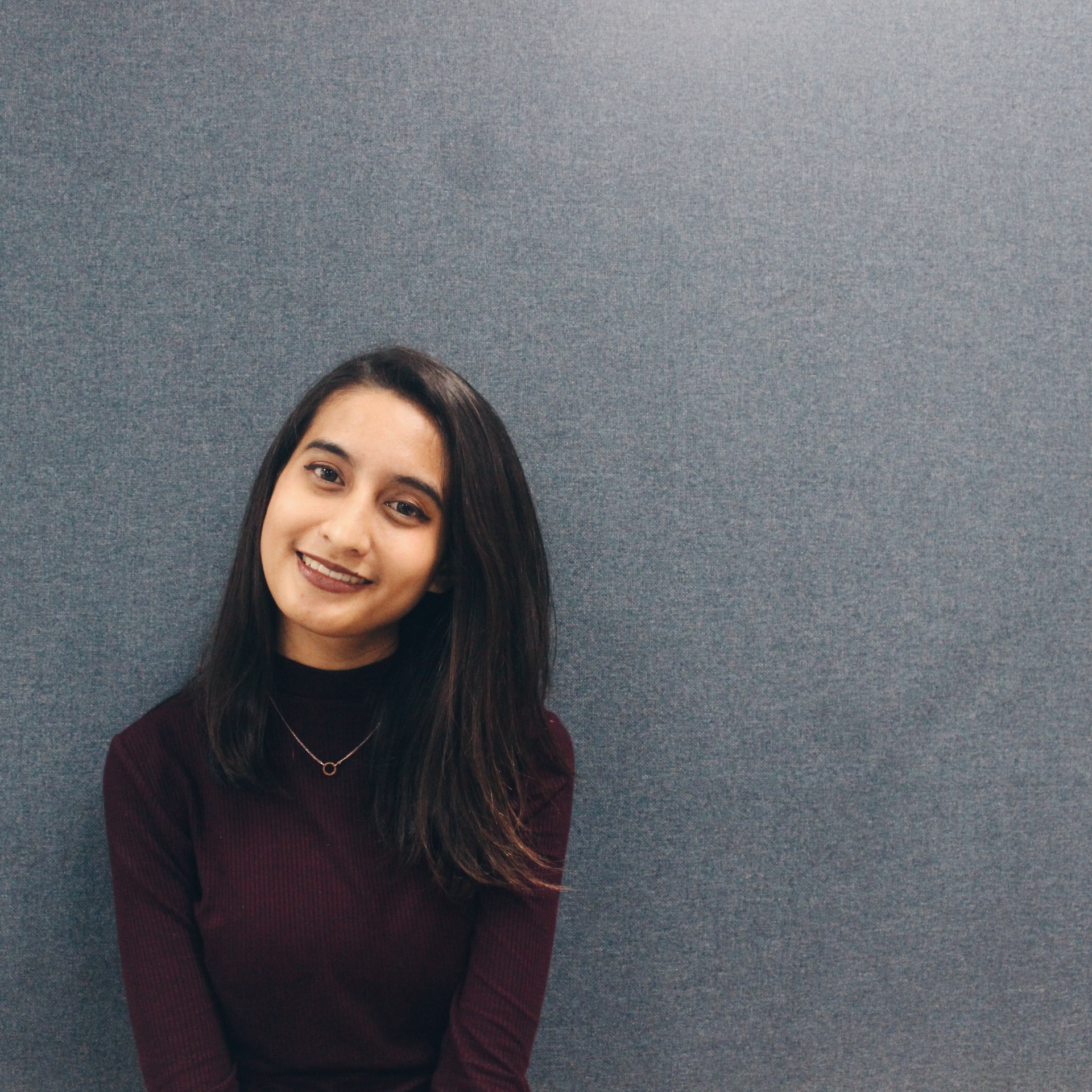 Introduction: I met Farella a few years ago. I was assigned to a story by the papers and went to meet this pretty young lass. I was fascinated by her gumption - she had a dream, a desire and she made it all happen. Here, in her own words, she tells her story. ***
Aneeta: Let’s start with a little about you. Please tell me where were you born? Where did you grow up and what do you do for a living?
Farella: Thank you for the introduction question Miss Aneeta. I was born at Samuel Clinic, Kuala Lumpur and I grew up in Kelana Jaya, Petaling Jaya for the first quarter of my life and spent the rest of my life to-date in Kuala Lumpur. I’d say much of my traits were developed through my experience in Kuala Lumpur as the surrounding in Kuala Lumpur was (and still is) really competitive compared to the small peaceful and harmonious town of Kelana Jaya.
Well as for my living, as we speak, I take up freelance jobs, among others, modelling or TVC extra and coaching – which is my personal favorite. I am a part time assistant coach in the area of social project and business development. I earned such credibility from years of experience and direct guidance from my mentors, especially with one who is well versed in the subject, a professional business coach, whom I have followed ever since I started Satirical Satin Project. I started off my journey to self-teach myself the art of social business by sneaking into coaching sessions with real entrepreneurs to becoming a minion (also known as personal assistant) to assist around during the coaching sessions. From there, I earned a spot to co-facilitate coaching sessions with my accumulated knowledge. Since then, I receive mentorship to which I am able to fall back to whenever I am in doubt or curious. Well, as how Yoda would do, my mentors never provide a one off direct and clear answer, but instead they would bounce back with a question to challenge my mind to find the answers and allow me to do things my way towards achieving my vision.
Well, did I figure the answers out? I think I might have figured things out the way I am supposed to, that is to do things the way I deem reasonable and workable. At the end of the day, there is no manual to doing business – there are 1001 ways to do things to achieve one particular goal, so your only limit is your imagination. There was no one definite answer to my question after all.
Aneeta: Let’s talk about your project. Satirical Satin Project. Please tell me what it’s about. 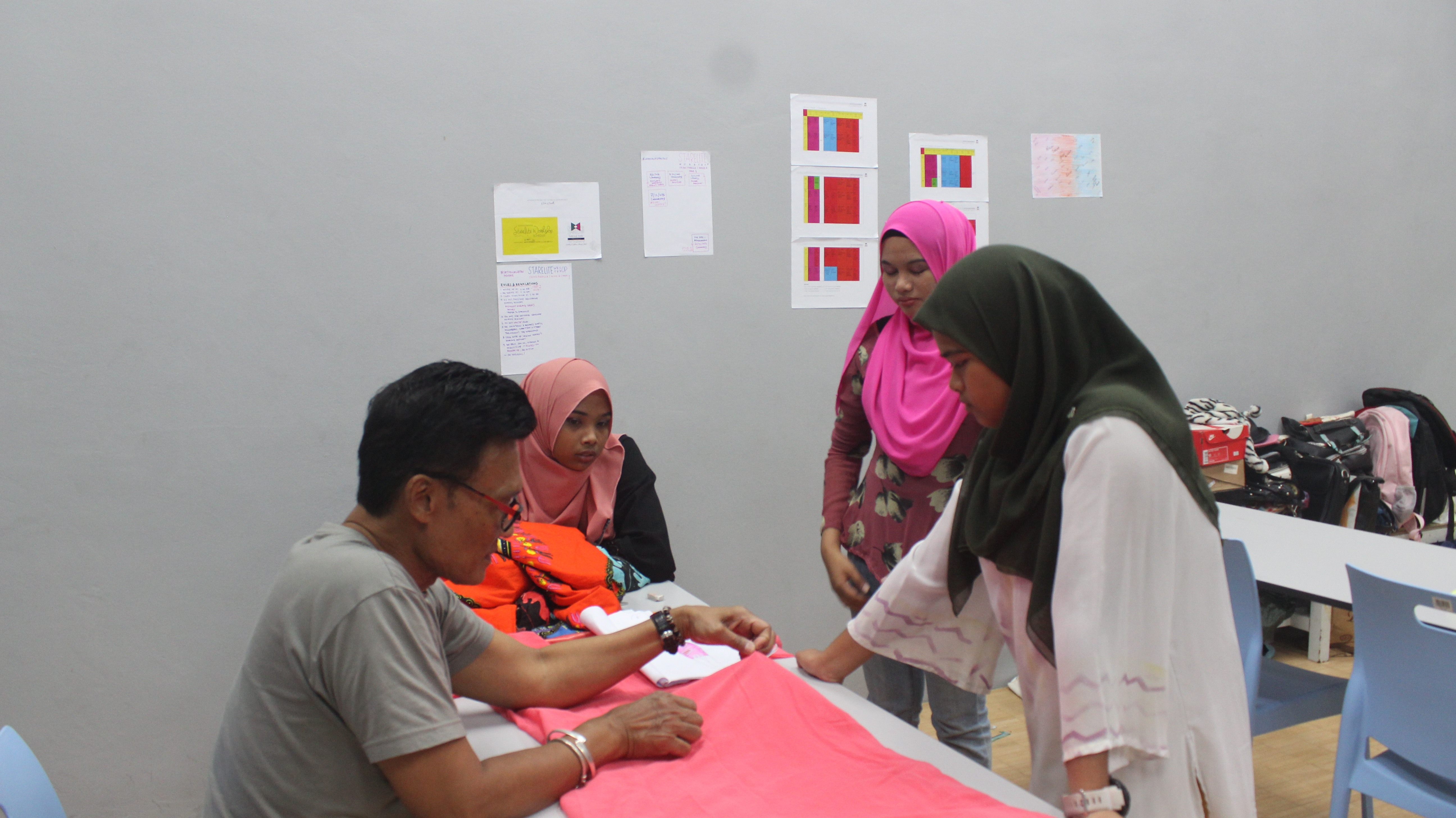
Farella: Satirical Satin Project is a youth social initiative which promotes youth inclusive development and sustainable environment with upcycle fashion which is in line with the global Sustainable Development Goals (SDGs) addressed by the United Nations Development Program (UNDP).
In short, Satirical Satin Project mainly adopts fashion to address youth economic independence and environmental sustainability issues to promote the achievement of sustainable development in Malaysia.
This social effort advocates three main causes which are youth social and economic empowerment, civic engagement through volunteerism and sustainable environment with upcycle fashion.
The structure of this initiative is twofold; one is the upcycle fashion designer workshop which includes a fashion show to enhance visibility of the upcycled products by the youth artisans and second is the online boutique to create a market demand for the upcycled products.
The purpose of the upcycle fashion designer workshop is to educate youth beneficiaries to leverage on used clothing to be upcycled into new fashionable products, either for domestic or commercial use to generate income from home which requires no capital to start the business. However, skills are needed to start a humble business, thus, the Satirical Satin Project provides vocational education, training and the network to support these potential young fashionpreneurs.
What sets us different from the existing fashion schools is that we promote a change of lifestyle for the youth – by inculcating the love to upcycle used clothing into brand new products for their personal use and for a bigger purpose which is to establish their financial standing. It may start with the underprivileged youth groups but we are targeting the public youth as the primary consumers, thus the need to provide such skills and knowledge of fashion so the design of the upcycled products are equally competitive with the mainstream products. The impact that this change of lifestyle can make is towards the environment – the main beneficiary of this initiative, because we get to reduce the rate of fabric waste that contributes to 6% of the landfills by repurposing usable fabrics into new fashion products which extends the lifespan of a fabric.
As a social enterprise, Satirical Satin Project promotes the production of upcycled fashion products ethically designed and produced by youth from underprivileged groups to enhance their standard of life and the quality of the environment.
Satirical Satin Project aims to be a high impact initiative and become the leading upcycle fashion hub in Malaysia that addresses crucial issues like youth empowerment and sustainable environment.
Aneeta: This Project has been carrying on for a few years, now. Can you please give me three stories from this project that you will remember forever?
Farella: It has been carrying on for 2 years now, getting into its 3rd year, hopefully with bigger success and impact.
Well, there are few stories that I keep close to my heart, it is not a big deal for anyone, but it is a great deal for me.
One is the story of my struggle – well, I am still struggling but not as much, and the initial struggle when I first started is precious because it transpired perseverance and determination, for not only me, but my humble small team as well. Back when I established Satirical Satin Project with its very first upcycle fashion design workshop, formerly known as the “Starelite Workshop” in 2016, there was only me who was doing almost everything, because at that time, my dear fellow young team members did not have much idea on how to get things done, thus, as the only person who was very clear of the vision for Satirical Satin Project, I had to lead the team by example, in which I had to show the team what is required to be achieved and how to achieve it. I took it upon myself to prove their doubts wrong, by constantly showing them whatever they thought was impossible, was actually very much possible.
But, there will always come a time when even the most visionary human being can lose it to the circumstances as well. So, the story that I’d like to share is about how at one point of time when I was overseeing the whole operation and management of the workshop, I did not manage to acquire sponsorship for food catering for the few remaining weeks to feed the young participants at the workshop. So, it was just natural for me to reach out to my fellow teammates, who were at that time committing to a full time study, particularly, Miss Nursyuhada Abdull Halim, a dentistry student at Universiti Teknologi MARA (UiTM) at that time, and who were also my Director in charge, who showed me such faith in my vision for Satirical Satin Project, that she went to such extent to sacrifice her lunch breaks to make calls to a list of restaurants to convince them to sponsor food supply for the workshop and reported to me every single day, in between treating her patients at the clinic, sometimes with bad news and to her delight with good news which, among others, she managed to convince En Zaihasri, from Nasi Kukus Ayam Cincang Malaya to sponsor food for the participants at the workshop for two weeks.
That particular part only tells about her perseverance in assisting me to make my vision a reality, so as to not fail the young participants who were benefitting from the program, but this part will tell her determination to ensure help is sent to me in my moment of weakness, so we can uphold the vision of the initiative together, and so I will not call it upon myself to give up on it.
So, just when the good news came rolling in, the good news also came with a flaw. Well, the food sponsorship did not come with a delivery service, so, we had to render to volunteer’s assistance, which to our disappointment, we did not manage to get any help as we needed. Speaking of struggle, eh? At that time, I clearly felt helpless because I was not with any transport, and the fact that I had to man the workshop alone with no other assistance when the classes were not in session, broke me into tears in the corner back in the workshop.
But, determined to not fail the young participants who were already believed in the vision we set up for them, Nursyuhada, also known as Chu, took extra measures to have the food packages to be delivered by Grabcar, which at that point of time, did not offer Grabfood services. Like me, she funded the Grabcar service with her own money, which I believe was her savings from the scholarship she received as a high performing achiever.
Just by recalling these memories brought tears back to my eyes, which is the very reason why, everytime I tell the story of how I started this initiative, I attribute the success to which has put Satirical Satin Project to where it is today, to my team in every of the projects I organized. I have always believed in a quote shared by one of my favorite lecturers which goes “Alone, we can only go so far, together we can reach for the stars”.
This is definitely one, but the most moving chapter of the many stories of my dedicated team’s journey of perseverance and determination.
The other story I would like to share is about the humble impact my social initiative has made, to if not all, one of the youth participants of the upcycle fashion designer workshop in 2016. Even if only one life is impacted, that already gives me sufficient reason to pursue greater heights with this initiative for the benefit of the youth community.
I would say the upcycle fashion designer workshop in 2016 was not the most well organized and perfect workshop, as I personally encountered a lot of challenges to put them together due to the lack of resources and support, at that time which I assumed was due to lack of understanding and awareness of the issues addressed, but, I went on to see it through because I believed in the vision that I have to aspire the target youth groups.
I learnt from the youth participants of the workshop whom I termed as Star Rookies, in the idea that they would commit to develop themselves as a star in the fashion design world, that they were unimpressed with the operation and management of the workshop; I am sure they had expectations of what a sound program looks like – but it rather was disheartening to learn of that when I clearly submitted my life only to see this through. But, it was not their fault, was it?
After learning that, I do not only lived through my days being angry at the people who are in the position to offer assistance and support to ensure help is delivered to these youth to change their lives but chose to turn a blind eye on such opportunity, but despite the anger I also devoted my life to get as much support by making people truly understand the value added of my initiative for the target youth groups and the environment so this time, Satirical Satin Project can make a tangible and measurable impact. I am very committed ever since to really see it through that the beneficiaries get on the path to change their lives with upcycle fashion, because it is very much likely to draw them their own success.
So, despite the disheartening truth, after a few years, I learnt that one of the Star Rookies, name Haizatul Ardiella binti Abdullah, actually developed a keen interest to pave her way into the fashion industry as an upcycle fashion designer; an aspiration she developed after undergoing the Satirical Satin Project humble upcycle fashion designer workshop in 2016.
What is actually more disheartening for me is the fact that these bright youth from the underprivileged groups have endless potential in them waiting to be discovered and refined to their own advantage, but, not much help and assistance are offered to them which specifically direct them to leverage on their genuine interest and passion. Most efforts direct the target youth towards immediate employment opportunities and maximize their existing skills and not very much focus given to their interest and undiscovered potential and passion which may be of greater benefit in the long run. Following to this, the actual scenario is, though remote, the Star Rookies, ended up returning to their respective welfare homes and left the home at the age of 18 years old, with no specific life direction and assistance to stand on their own feet. What became of one of them is she returned to the family who has history of drugs abuse to become nothing, especially with no academic or vocational qualifications as a school dropout and was only sent to an Islamic school before returning to the family at age 18.
Thus, the spark of interest shown by Haizatul Ardiella, also known as Diella to pursue a career with upcycle fashion truly moved me and inspired me to do more than what I am doing so I am able to assist her, and many others to find their way to establish themselves as successful upcycle fashionpreneurs in Malaysia.
My work this year is highly motivated by her, to get more people and related organizations, foundations, agencies and corporates to support her aspiration and others alike, so we can create opportunities for those who fell out from the running for mainstream opportunities.
All these lead up to the final story that I would like to share about my journey with Satirical Satin Project.
The sentiments that I hold very dearly back then when I established Satirical Satin Project were very much focused on one’s self-development because I believed that everyone deserves to be good at something, thus be confident about it and leverage that advantage to achieve success, which also applies to young undergraduates who more often than not limits the world to what meets their eyes, when the world offers so much more than that.
But over time, when I studied into the causes I advocate under Satirical Satin Project, I realized that I am doing so much, not only for the community but for the environment, which if put in a bigger picture, I am not only changing lives but I am in the pursuit of changing the world.
For a 22 year old girl, who believes so much in the idea that she is capable of changing the world; rejections, doubts and cold shoulders are the major contributions to her depleting faith in her own fight. But, she has a warrior in herself that despite the challenges, she never gave up, not because things were not hard enough, but because she believes so much in the values that she is capable to add to the world.
Needless to say, I am that girl, and I am glad I never gave up eventhough things were getting harder and harder over time, I never really gave up and I oftentimes confidently step up to find my way to level up Satirical Satin Project.
So, what is my story about not giving up – is a story about how I confidently came unprepared for a bootcamp for fashion social entrepreneurs in 2018 with nothing but an open heart to learn and network as much as possible to push Satirical Satin Project to achieve greater heights.
Me and my partner, Siti Nur Farahin, did not manage to attend the first day of the 3 day program, so when we were on our way to the bootcamp for its second day, we acknowledged that we might have missed so much from the first day. So, when we stepped in the venue, we were told by the organizers that due to our absence the day prior, we are not to take part in the Pitching Competition – which I was not aware of – due to the fact that we might not know of the appropriate contents to be contested for the competition, thus we were advised to mingle around to catch up on our own of what we have missed. But, my warrior soul was fighting in me to want to be in the run for the competition, especially for the fact that I have a prior knowledge of what a social business model is, and I wanted to put it to a test, to validate what I believe I knew.
Long story short, we managed to be slotted in for the competition out of my whims of course, and we owed that to the founder of the bootcamp herself who were kind enough to permit our participation and to go through the pitching structure with her personally very quickly.
You can imagine how hectic it was for me and my partner who ignorantly came to a social business development bootcamp unprepared with no laptop and hardisk at hand, so compared to other groups, we had to come up with a pitching deck from scratch with lesser time at hand – note: with no reference and archives what so ever.
When the time came, we pitched for the preliminary round with the drabbest Powerpoint slides ever, confidently persuading people to believe in our social business model. Then, my partner who were reasonable enough to be in doubt questioned if we are to make it, when I was clearly excited to prepare for the probability of us making it through for the final round. I cannot tell where that confidence came from.
Guess what, we won the competition and received a Seed Grant worth USD 150. However, I was not entirely proud of the win as I really thought it was a sheer luck due to the lack of efforts put in the win.
But that win motivated me to subsequently compete for another grant in 2019, this time intentionally, with premeditated strategies. For this competition that offers a grant up to MYR 3,000, I was shaking in anxiety to just make it for the win, despite the many voices I heard inside my head saying I may not be able to make it.
Hilariously, I even had a silent conversation with myself to which I actually compared the probability of winning this competition with the previous accidental win. I said to myself “If I can win that grant, I can potentially win this one as my idea was pretty much validated”. But then again, I was competing against many other great ideas that promote sustainability of the people and the planet, so I was not entirely complacent with my humble initiative especially when the judges were made of the DYTM Tengku Amir Shah Ibni Sultan Sharafuddin Idris Shah Alhaj, Crown Prince of Selangor and patron of Selangor Youth Community, Evan Cheah, CEO of Sunway Ventures and Wan Dazriq Wan Zulkiflee, CEO and Co-Founder of PurpoSE Malaysia.
But, I guess, my relentless efforts over these years to actually study the social predicaments and address the issues with necessary measures despite the insufficient support and resources and continuously refine its structure pays off with the win! Now I know, I have given the knowledge I acquired from my mentors a fraction of justice, if not much!
If there is anything I learnt through my journey with Satirical Satin Project is that success is perspiration and only with persistence and perseverance, result will be transpired and call for the right attention and support.
So, let’s not ever give up.
Aneeta: When we first met, you were still studying. What were you studying? Have you completed your course? And what’s next, education-wise? 
Farella: Yes, when we first met, Satirical Satin Project was getting into its first few months of establishment, and I was 22 back then, in my second year law degree at Universiti Teknologi MARA (UiTM), Shah Alam.
Well, I have not completed my studies yet following to the special leave I took to pursue my passion to be a fashionpreneur with Satirical Satin Project. I believe that my law degree will always be available to open doors to a promising future for me once I grab hold of the scroll.
But, my budding social business will not always be available for me to make a mark in this world if I am to put it on hold – especially due to the competitive race among budding entrepreneurs in this era with the emergence of social business ecosystem. But, my first love has always been for law, where I get to learn of the engine that regulates social behavior which is a fundamental often taken for granted by the people. So, it is in my planning to resume my studies once Satirical Satin Project takes off where I am able to entrust it to another person to see it through in my passive involvement.
Aneeta: Was it difficult to balance study and work?
Farella: I would say it was very challenging but it was not impossible to balance studies and work – however, to balance studies with a startup may be even more challenging due to the commitment required of you to get things moving.
For instance, to be able to put together the upcycle fashion designer workshop in 2016 called for my sole commitment to be in attendance when others were partially involved, otherwise no one will be available to man the operation and management of the workshop, apart from having to strategize and plan, do networking, attend meetings and pitch to potential partners and sponsors.
A startup requires all of you, not just part of you – unless you have a group of proactive and visionary team members who can effectively play their roles to bring in necessary resources and funding without requiring you to micromanage every single aspect of the company. As for Satirical Satin Project back then, the team were made up of full time varsity students hence it was understandable that they were not able to fully commit to such roles, hence, in my determination to work things out, I took it into my own hands to be the person who micromanage, and delegate minute tasks to respective departments.
But over the years, with the reputation that Satirical Satin Project has built up, it is easier to get people to commit to a bigger role to play in the organization, but in the spirit of volunteerism, Satirical Satin Project still observes the limit and capacity of each and every individual. Due to the wide range of people who volunteers with Satirical Satin Project, we need to tailor the tasks to the capacity and knowledge of the volunteers rather than assigning selected tasks, as there is a standard for each of the initiatives.
Aneeta: What are your plans for the future?
Farella: My life has been about Satirical Satin Project since year 2016. So, it is natural that my future plans in 5 year time involve the efforts to further develop Satirical Satin Project as a transformational enterprise in Malaysia.
Apart from that, in the efforts to build up my financial standing, I have also recently joined a new social business venture with my sister in food and beverages services which upholds social values towards promoting sustainable development in Malaysia. This new venture, known as the Batek Potato Café, leans towards profit-making but practices social advocacy to serve the community.
I believe I am more focused to establish myself as a social entrepreneur for the passion I have to influence change, but it is in my contemplation to graduate with my law degree within these few years as well so I can build a stronger credibility in the work I do.
Aneeta: As you know, this website is for storytellers. What advice would you give to those who want to start telling their stories?
Farella: Well, I am not much of a storyteller myself in the beginning until I realized the need to effectively communicate my story for people to understand the work that I do because they can relate to the story. So, my one piece of advice for those who wants to start telling their stories, is to never wait to tell your stories until you find the best way to tell it, but to simply share it the way it comes to your mind, so your story can be easily understood by others that will inspire them in the way your stories intend to.
Aneeta: Farella, this is all I have to ask. Is there anything you’d like to add?
Farella: Thank you Miss Aneeta, it was such a pleasant time sharing with you my stories. If there is anything I would like to add is, I hope that Malaysians will be more attentive to new and unpopular opinions and initiatives to channel support to the rightfully deserving initiatives to affect real change in Malaysia.
This piece may NOT be freely reprinted. Please contact editor @ howtotellagreatstory.com for reprint rights. Click here to return to the index of interviews on 'Blow Your Own Trumpet!'
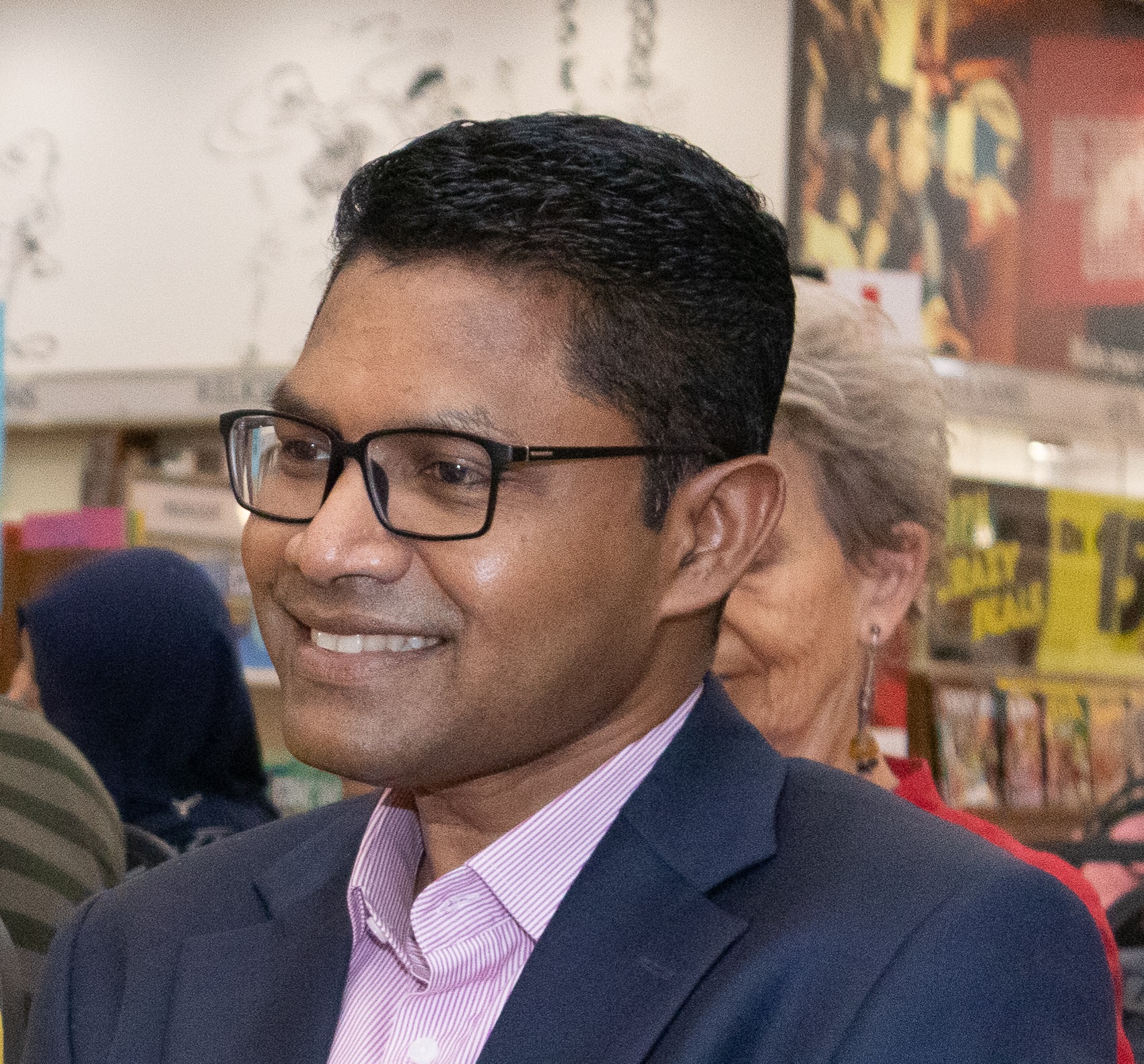 Dato' Dr. Andrew Mohanraj © Aneeta Sundararaj
“Same old. Same old. 2004 has been so boring.” These were the words my friend said on Christmas Eve. Neither of us was aware that our belief that the year would end on a dull note was premature. On Boxing Day, I was at home in Alor Setar. I was busy caring for my puppy who was recuperating from an operation. I’d shortened her leash by twirling it around one leg of our dining table so that she would remain in one spot. Suddenly, the glasses in our cabinets rattled and the dining table shook. This tiny little dog is too strong, I thought. Yes, looking back, this makes little sense. At the time, though, I was so focused on trying to make sure my fussing dachshund stayed still that no other reason for the house shaking occurred to me.
“Did you feel that earthquake?” My mother asked some fifteen minutes later when she came downstairs.
“Oh! So that’s what it was,” I replied as comprehension dawned.
We talked a bit more about this over a late breakfast and then thought nothing more of it. Slowly, news began to filter through about the gravity of what had happened. The earthquake, with its epicentre in the Indian Ocean off the west coast of Sumatra, Indonesia, measured 9.1 on the Richter scale. In the next three to seven hours, a tsunami followed and caused devastation in more than 14 countries in the region. The hardest hit was Indonesia followed by Sri Lanka, India and Thailand. By midnight on Boxing Day 2004, more than 250,000 people died and millions of people lost their livelihood, homes and family.
When I spoke with my friend two days later, we discussed how we could and would offer help to the victims of this monumental tragedy. Perhaps, we could make a monetary donation to an aid organisation. We would rummage through our closets and find clothes we could donate to the needy. Victims of this disaster could seek temporary shelter in our houses. Not once did either of us consider offering aid at the disaster site as we were not at liberty to leave our families. We were not going to risk financial security by taking a temporary leave of absence from our jobs to help rebuild towns and cities that no longer existed. We wouldn’t move our world simply to tend to these victims whose needs far outweighed ours. One man did – Dato’ Dr. Andrew Mohanraj.
When I first meet Andrew for a chat, he introduces himself with a bright smile and says, “I’m a simple psychiatrist.” Instinct warns me not to be fooled by this. I was already aware that in the aftermath of this, one of the deadliest natural disasters in recorded history, Andrew made his way to the worst-hit place, Aceh in Sumatra. It was reported that the waves generated by the force of the tsunami were up to 15 metres high. When he first arrived, the challenges in rebuilding this land ravaged by nature seemed insurmountable. Nothing was left and it was almost wasteland. Yet, through perseverance and determination, in the course of the next three years, he became a pioneer in the region for creating sustainable psychosocial rehabilitation and community mental health services. Nothing simple about that.
IN THE SHADE OF A MANGO TREE
This calling to serve and help people wasn’t something spontaneous that occurred overnight. Agreeing to my request, he recounts a story from his childhood as the eldest of four children. Gradually, I can see that this pattern of selfless giving began long before he became a doctor. Indeed, his quiet demeanour belies a steely determination to ensure the well-being and health of one of the most stigmatised people in society, people with mental health issues. You risk his wrath if you trivialise mental illness, poke fun at those suffering and living with mental illness or make ‘mental’ jokes.
“Until I was eight years old, I stayed with my grandparents in Taiping, Perak,” he says, his speech measured and calm. He wears a soft smile when he describes his grandfather and says, “He liked to wear a veshti and never a sarong.” Sighing, he adds, “We sat in the shade of a mango tree in the garden and we discussed things. Every day.”
Cocking his head to one side, he says, “I mean, who has discussions with a seven-year-old boy?” True, this seemed unlikely, even more so when Andrew explains that their discussions were never about frivolous stuff such as games the boy played or toys he wanted. Instead, with a life-long habit of reading the daily newspapers already instilled into the little boy, grandfather and grandson discussed world news. All these adult-like conversations had a huge impact on the boy and he flourished in his studies. He did so well that he decided to tutor the other urchins of the neighbourhood.
What on earth could a seven-year-old boy teach others? “Schoolwork,” he replies, quite matter of fact. All such efforts had to come to a stop, unfortunately, when the boy Andrew decided that he should not be offering his tutoring services for free.
“I started charging them RM2.00 per month,” he says with a chuckle. His business venture was short-lived when, one day, the grandmother of a little girl he tutored stormed into his house and informed his grandparents about what he was doing. “But I didn’t keep the money for myself,” he says, defending his actions. “I helped the others.”
It’s those last three words he uttered that caused his grandfather to make two predictions: the boy Andrew would become a doctor for he was both intelligent and had the aptitude to study medicine. More than that, his grandson was sure to use his skills and knowledge to help people.
The first prediction came to pass soon after he finished his basic schooling in Kuala Lumpur because in the 1980s, Andrew became the recipient of a Commonwealth Scholarship offered by the Indian Council for Cultural Relations to study medicine at the Calicut Government Medical College in India. In time, he chose to pursue psychiatry and settled into a comfortable job with the Ministry of Health in Malaysia. Then, the tsunami happened.
A BLANK CANVAS
What faced Andrew when he first arrived in Banda Aceh under the auspices of the International Medical Corps (IMC) would have overwhelmed anyone. He becomes sombre when he refers to a published article he wrote ten years after the disaster and recounts some of the heart-breaking tales of the people he met when he first arrived in Aceh.[1] There was a mother who was forced to sacrifice one child to save another. A father had suicidal thoughts because his son may still be alive today had he not scolded the boy and insisted he go study inside the house that was subsequently washed away. In Banda Aceh, a mass grave site the size of a football field was dug and 45,000 bodies were placed there.
It wasn’t easy for the survivors of this disaster to contemplate carrying on with life when they were denied the ability to properly mourn their dead or seek closure for what had happened. Sanitation, proper food and medication were problems in temporary shelters. It was only a matter of time before people were bound to be seeking help for PTSD, depression and psychosis. Added to this was the fact that at that time, there was one mental hospital in Banda Aceh catering to a population of almost 4.2 million and most mental health services were custodial in nature.
At a glance, what Andrew faced was a daunting task. However, at some level, he had to be aware that what he now had was a blank canvas with which to work magic. He set to work and from the start, he knew that it did not make sense to opt for a quick fix. He could have trained local doctors and medical personnel about how to treat and care for mental health patients and left it at that.
“These people, however, were those at the top of the pyramid,” he explains. He feared that if he trained them alone, they wouldn’t stay and help with rebuilding Aceh. Instead, they would choose to leave for greener pastures. He saw an opportunity to develop community mental health services.
Although this meant that things in the mental health scene in Aceh had to change at a basic level, Andrew insists that his plans went further and were quite widespread. His aim was to create a framework for psychosocial rehabilitation that was sustainable. What did this mean, though?
Smiling, he explains, “Anyone can start something. But will it last?” His aim, therefore, was to create a system that would continue long after he’d left to return home. “This,” he says, “means shifting from traditional institutional care to community-based care.” More people should have access to mental health care which was humane in nature. Also, there must be less stigma attached to the treatment and therapy the patients received. He also listened to what these victims needed since he believed that support comes in different ways. It could be simple things, from playing a game, starting a small business or mourning together.
SHACKLES AND RESTRAINTS REMOVED
While everything seemed in place in theory, on a practical level, the challenges were many and recurring. Aceh remained unstable and aftershocks of the earthquake were a constant source of worry for everyone. Shuddering, Andrew says that he’d learnt to keep his passport and money on his person all the time. It was a wise thing to do because he woke up one morning to his bed shaking violently. He ran downstairs from his bedroom on the first floor. When he turned to look back, the entire staircase had crumbled.
Back at home in Malaysia, he faced another dilemma. Having not reported for work for a year and a half, his bosses were demanding that he return or face disciplinary action. Today, he describes the decision he made at this time as a bold one. This, he admits is with the benefit of hindsight because he now recognises that he was giving up a very stable career that would have seen him rise to the top of the government service. At the time though, none of this mattered. What did was the promise he’d made to the Aceh Provincial Health Office that he would help with the recovery process. With that, forty-year-old Andrew chose the only option available to him – he resigned from government service.
With the shackles of being in full time employment removed came the complete freedom for Andrew to do exactly what he wanted. He channelled all his energies into developing mental health services in Aceh. His greatest challenge, he says, was to convince ‘each district administration to make the necessary budgetary allocation, given the decentralisation of government and political structure in Indonesia with a high level of autonomy for the districts.’[2]
Nonetheless, Andrew and his team persevered. In three years, he’d set into motion projects for psychiatric and psychosocial rehabilitation in several districts in Aceh. At its most basic, these involved training medical personnel to care for mental health patients. When it was difficult to reach such patients, Andrew saw to practical issues like arranging for transport for medical personnel to travel to patients’ homes to provide the necessary care. He and his team organised community care awareness programmes which involved religious and community leaders, teachers, police personnel and women’s groups. Workshops with traditional healers helped to bridge that gap with villagers who were sometimes reluctant to open their hearts, minds and homes to new methods of treatment. Two ‘Quiet Houses’ built at mass gravesites became places where those who’d lost family and friends in the tsunami could grieve, rest and pray. Books such as ‘Where There is No Psychiatrist’ and guidelines for psychiatric nursing care were edited and distributed to all primary health care centres.
In time, patients with chronic mental illness who had to be physically restrained had such restraints removed. With proper medication and supervision, they regained their dignity and self-esteem thereby allowing them to lead productive lives. Today, Aceh is one of the few provinces that has a mental health law or qanun to protect the rights of those suffering from mental illness. The success that he and the people of Aceh achieved in those few years surprised many including the World Health Organisation which had predicted a longer recovery period.
When his tasks in Aceh were complete, he stayed on in Indonesia. In the course of the next few years, he became fluent in Bahasa Indonesia and worked with, among others, a German non-governmental organisation called CBM International. As the country Director for Indonesia, he oversaw both disability and mental health-related programmes. “In 5 years,” he explains, “I supervised over 100,000 surgeries (mainly removal of cataracts) making us the biggest prevention of blindness project in the country.”
Meanwhile, as word got around about all he’d achieved, Andrew began to receive accolades, titles and awards for the work he’d done. Among others, he was invited by the World Health Organisation to be a member of the Global Forum in Community Mental Health. He was also awarded a scholarship by the Royal Australian and New Zealand College of Psychiatrists to pursue a fellowship in community mental health at the University of Melbourne.
DISASTER PSYCHIATRIST
Today, he manages a practice in Malaysia and is also the President of the Mental Health Association of Malaysia. That said, as one of the few disaster psychiatrists in the region, he specialises in the branch of mental health care which provides psychiatric services to disaster victims and rescue workers. Naturally, his services have been called upon time and again such as after the earthquake in Padang, Indonesia, the volcanic eruption in Yogyakarta, post-war Timor Leste, after typhoon Haiyan in the Philippines and the disappearance of MH370.
Constantly on the go, Andrew is aware that being a disaster psychiatrist can keep him away from his home, family and friends for long periods of time. While others fear to go to some of these areas because of the security concerns, he’s optimistic and adventurous in equal measure and chooses to look at the positive aspects of visiting such places.
“It’s not always how the media portrays it,” he quips when sharing stories about Nauru, the tiny island country in Micronesia, northeast of Australia where Andrew is undertaking consultative work. Instead of doom and gloom, with his words, he paints a picture of a people who have learnt to go with the flow. They’re generous with everything from their resources, goodwill and love. “To a fault, almost,” he adds, surprised that Nauruans can be that selfless. I hide my smile, immediately aware of the irony of Andrew’s observations. He seems utterly oblivious to the fact that they’re probably holding a mirror to the remarkable work he’s done.
As our chat comes to an end, I am tempted to ask if he’d change anything about his career. Would he have chosen to negotiate a manner in which he could have stayed in government service and still help those in disaster-hit regions? Does he regret the sacrifices he’s made? Then I remember his grandfather’s predictions for the boy Andrew and I know his answer. Unable to say no to anyone who needs help, Andrew would do it all over again. In a heartbeat.
***
[1] Mohanraj, Dato Dr. A. (18 December 2014). Remembering Tsunami 2004: Diary of a disaster psychiatrist. (Retrieved from https://www.thestar.com.my/lifestyle/people/2014/12/18/diary-of-a-disaster-psychiatrist/)
[2] Mohanraj, Dato Dr. A. (18 December 2014). Remembering Tsunami 2004: Diary of a disaster psychiatrist. (Retrieved from https://www.thestar.com.my/lifestyle/people/2014/12/18/diary-of-a-disaster-psychiatrist/)
***
Find a Therapist in Your Area by clicking on this link: https://www.betterhelp.com/therapists/
 Breanne Dyck is the founder of MNIB Consulting and helps online training businesses scale their impact, their team and their revenue. Her strategies help to create transformational learning experiences that customers can't stop talking about. Breanne regularly consults on flagship products and programs, CreativeLive courses, live events and workshops for thought-leaders such as bestselling authors Chris Guillebeau, Tara Gentile and Natalie Sisson.
As a member of her book launch team, I interviewed her about her upcoming book and advice for writers to create an online course.
Rohi: How much time did it take you to write the first edition of Beyond Satisfaction? And what changes have you made in the second edition?
Breanne: The first edition of Beyond Satisfaction came together very quickly. I developed it as part of the Gumroad Small Product Lab, in which you start, finish, market and sell a book in ten days. That said, the first edition was probably better called a “micro-book” rather than a proper book. For the second edition, it’s been dramatically revised and reworked. There’s three times as much content, extended case studies, action step sections and more. It’s basically a whole new book.
Rohi: Can you describe your writing process?
Breanne: It’s probably more fair to call it an “assembly” process. For the book, it was a matter of pulling together blog posts, emails and other content I’d generated previously and then structuring it to form a cohesive body of work. Even for blog posts, though, I usually start by “talking it out.” I’ll record myself talking about the topic, and then turn that into written content. Rohi: How do you schedule the time to write in the midst of all your other commitments?
Breanne: I set aside time each week -- at least 3 hours but ideally 6 -- to work on my current quarterly strategic priorities. In addition to that, I have a half-day each week for content production for our website and email list. The simple truth is that marketing the company is one of my most important jobs as an executive, given the size and makeup of our team. As such, writing isn’t something I fit in amongst my commitments -- it is a commitment.
Rohi: Do you plan to create a companion course for Beyond Satisfaction (like Pat Flynn)?
Breanne: No; Beyond Satisfaction isn’t intended to be a teaching book. That said, we do offer an online program called The Master Class which walks people through the process of designing a transformational learning experience. It was developed well before the book, and in fact, many of the exercises included in the book are adapted from that course.
Rohi: Are you providing any extra bonuses with the book?
Breanne: Since my goal for the book was to maximize impact and reach, it was critical to incorporate a way to encourage people to come back to our website from the book. Including bonus resources -- worksheets, videos, etc. -- to accompany the book was a natural fit.
Rohi: How can we convert our non-fiction books to courses?
Breanne: Don’t think of it as a conversion process. Books are for information; courses are for action. If you want to create a course, start by thinking about what actions you want (and need) people to take. Design your learning outcomes and associated exercises first. Only once that is done should you start to look for ways to integrate the content of your book as a way to help people accomplish those activities.
Rohi: Can text-only courses be successful? Could you name a couple of examples?
Breanne: Absolutely. Function must always come before format. When I first delivered The Master Class, there was no videos or audios or anything like that. Tara Gentile’s Quiet Power Strategy: The Foundation was originally delivered the same way. Provided you’re giving people a chance to apply what they learn (through exercises, activities, etc.) the format of the content is really secondary.
Rohi: In Beyond Satisfaction, you say that course completion should not be the sole criterion to assess the success of the course? Why is that?
Breanne: Here’s a question to consider: What does completion mean? Does it mean that the participant has watched every video? Done every worksheet? Completed every activity, twice? The problem is that completion is nearly impossible to truly measure. Plus, just because someone “completes” a course doesn’t mean they’ve received the promised benefit. Getting the promised result is what matters.
Rohi: What are the top three benefits of creating online courses? Or is it already too late because of increasing attrition and apathy?
Breanne: It’s definitely not too late. Online training is a very popular way to build more leverage into a business model that would otherwise be limited to the capacity of the individual. You can reach more people, have more impact and earn more money when you build in leverage. That said, it’s not right for everyone; I recommend that before anyone embark on creating an online course, they review the 18 Reasons NOT to Create an Online Course.
Rohi: What is your top tip to keep in mind for those who would like to create their first online course?
Breanne: Sell it before you make it. Seriously -- too many people spend all this time creating a course without first trying to figure out if anyone wants it. So before you jump into creating content, sell 5-10 pilot seats. After all, if you can’t find anyone to sell it to now … how will you be able to find people to sell it to later?
Rohi: Where are you publishing Beyond Satisfaction and where? How can we get a free copy?
Breanne: Beyond Satisfaction is available exclusively on Amazon. You can learn more about the book and find links to purchase it at beyondsatisfactionbook.com.
Rohi Shetty has published nine Kindle books on Amazon. If you want a free review copy of his next book, The Ultimate Guide to Walking Meditation as well as admission to the companion course, please add a comment below as well as any questions you may have about walking meditation.
This piece may NOT be freely reprinted. Please contact editor @ howtotellagreatstory.com for reprint rights. Click here to return to the index of interviews on 'Blow Your Own Trumpet!'
Introduction
Margaret wrote to me a while ago to ask if I'd put information about the publication of her new book in our newsletter. I was fascinated by her story and asked if she'd like to be interviewed. She agreed and here's her story.
Aneeta: Margaret, thank you for agreeing to this interview. Let’s start with something about you. Where were you born? Where did you grow up? Where do you live now and what do you do for a living?
Margaret: I was born in the suburb of Northcote, not far from the city of Melbourne, Victoria Australia. By today’s standards I didn’t move very far.
For a few years I grew up in an almost rural area of open paddocks, farms, creeks and dams. Even while we lived there the subdivisions moved in and nowadays it is an old, almost inner suburb. My childhood memories are of blazingly hot summers and bushfires, and freezingly cold winters, cold enough to freeze icicles on dripping taps and floods.
I have been settled for the last twenty or more years in an underground flat in the Dandenongs, which is up in the hills outside Melbourne. It was built to be fireproof after the Ash Wednesday fires. It is always cool in summer and warm in winter and of course fire proof which is very important in the hills area where I live.
What I did for a living for years was office work, and wrote in my spare time. Now I have reached the age where all my time should be spare except I seem to have time maintenance problems.
Aneeta: I am aware that you have a book that’s about to be published. Before we go to that, please give my readers and idea about your writing/publishing history.
Margaret: My writing history must go back to childhood, to having essays read out over the school assembly, to writing and illustrating picture books for younger cousins (in exercise books which should have been put to more academic use) and sending off ten page badly written letters to all my male relatives away fighting the war.
I went into an advertising agency to do secretarial work and ended up as their copywriter. I didn’t start writing fiction (sorry, I know advertising copy is fiction) until my children started getting older as you never run out of research material when you are coping with kids. My first published material was a poem read over the ABC. I kept getting fiction, articles and poetry published, and then Penguin took my first children’s book, THE CIRCUS RUNAWAYS, and off I went.
Aneeta: You have told me that your first book is of ‘novelette length’. In all honesty, this is the first time I’ve heard these words. What do they mean, Margaret? How long is a novelette?
Margaret: HOLE IN THE SKY is my second book with Custom Book Publications. They broght out my teenage DR DOOLITTLE’S RING last year. Novelette length seems to depend on the publisher. Some publishers think 20,000 words and talk of it as an overlong short story, and Custom Book Publications are talking of 40/44,000 words for their new teenage series.
Aneeta: Please tell me a little more about ‘Hole in the Sky’.
Margaret: My daughter and her husband were into sky diving and so was my son. Personally I would have been happier if they had taken up stamp collecting as a hobby. I spent a lot of my weekends up the country watching them fall out of planes and breathing out again when their chutes opened. As I say a writer is never short of material with close acquaintance with kids. So I sketched skydivers, watched and put a lot of their exploits into HOLE IN THE SKY.
Aneeta: As you know, this website caters to storytellers. What advice would you give to those who would like to venture into storytelling?
Margaret: Don’t think I’m a good person to advise other writers whether to take their writing seriously or be a hobby writer. I write because I am a compulsive writer and getting published is very good positive reinforcement.
Never write for the clink of the cash register (unless you are a copy writer). Sometimes you can hit the jackpot and be on the right wave length so publishers and editors love you, but mostly your satisfaction is in achieving a form of communicating. Writing is an adventure because you never finish learning. It can be a form of self expression and creativity always gives the creator a buzz.
Aneeta: Margaret, this is all I have to ask. Is there anything you’d like to add?
Margaret: Said it all.
Aneeta: Thank you, Margaret.
Margaret: Aneeta, thank you for offering to listen to me.
This piece may NOT be freely reprinted. Please contact editor @ howtotellagreatstory.com for reprint rights. Click here to return to the index of interviews on 'Blow Your Own Trumpet!'
Page 1 of 22